
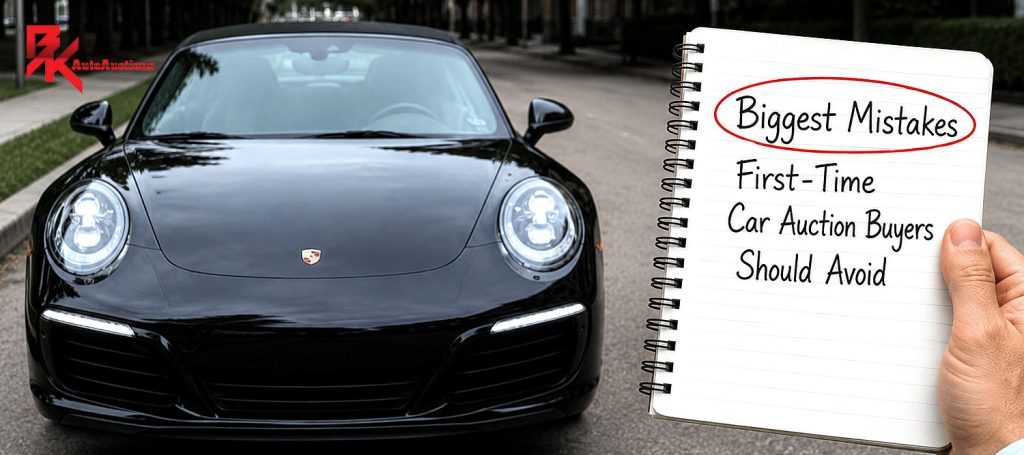
Buying a car at an auction can feel exciting. Many people hope to find cheap cars, rare models, or even repossessed vehicles. Some buyers visit public auto auctions, while others try online bidding platforms like BK Auto Auctions.
But many first-time car auction buyers lose money because they do not understand the risks.
A car that looks like a bargain may hide serious problems, such as frame or flood damage or expensive mechanical repairs. Some buyers also forget about the buyer’s premium, transport costs, and paperwork issues. Experts warn that emotional bidding and poor research are some of the biggest reasons people overpay at auctions. This guide will help you learn the biggest mistakes first-time car auction buyers should avoid. It will show you how to prepare, research, and bid smartly so you can make better choices and avoid surprises at a car auction.
Mistake #1 – Not Researching Before Bidding
Many first-time car auction buyers make a big mistake by bidding without doing research first. This leads to overpaying or buying a car with problems. Before you bid, you should find out as much as you can about the car, the auction process, and the costs you might pay.
Check Vehicle History First
One of the most important steps is checking the vehicle history report using the VIN. This helps you see whether the car has been in accidents, undergone major repairs, sustained flood damage, or has a salvage title. Not doing this can lead you to buy a car with hidden issues that cost a lot later.
Know the Market Value
You should look up the car’s normal price online. This gives you an idea of what a fair price is to pay before bidding starts.
Learn About the Auction Fees
Auction houses often add fees on top of the bid price, including the buyer’s premium and other hidden car auction fees. Knowing these costs ahead of time prevents you from being surprised by a final price much higher than you expected.
Doing this research before the auction will make you feel more confident and help you avoid costly mistakes.
Mistake #2 – Bidding Without a Smart Plan
One of the biggest mistakes many first-time buyers make at a car auction is bidding without a clear strategy. Without a plan, buyers often pay too much or pick the wrong car. It helps to set a budget and stick to it before you ever bid. This stops emotional decisions and keeps you in control.
Set a Budget and Walk Away Price
Experts say the first step is to know your budget before the auction begins. Decide on the most you will pay for a car, including all costs such as buyer’s premium, fees, and transportation. Sticking to a maximum bid will help you avoid overspending during a bidding war.
Why Research Helps
Before bidding, research the car’s fair market value so you know what a fair price is. Understanding what similar cars sell for gives you the confidence to set a fair bid and avoid overpaying.
Avoid Emotional Bidding
Auctions can be fast and exciting, and buyers sometimes get caught up in the moment. This can lead to paying more than the car is worth. First-time buyers should stay calm and focus on their set budget, even if others keep bidding.
Mistake #3 – Not Inspecting the Vehicle Before Bidding
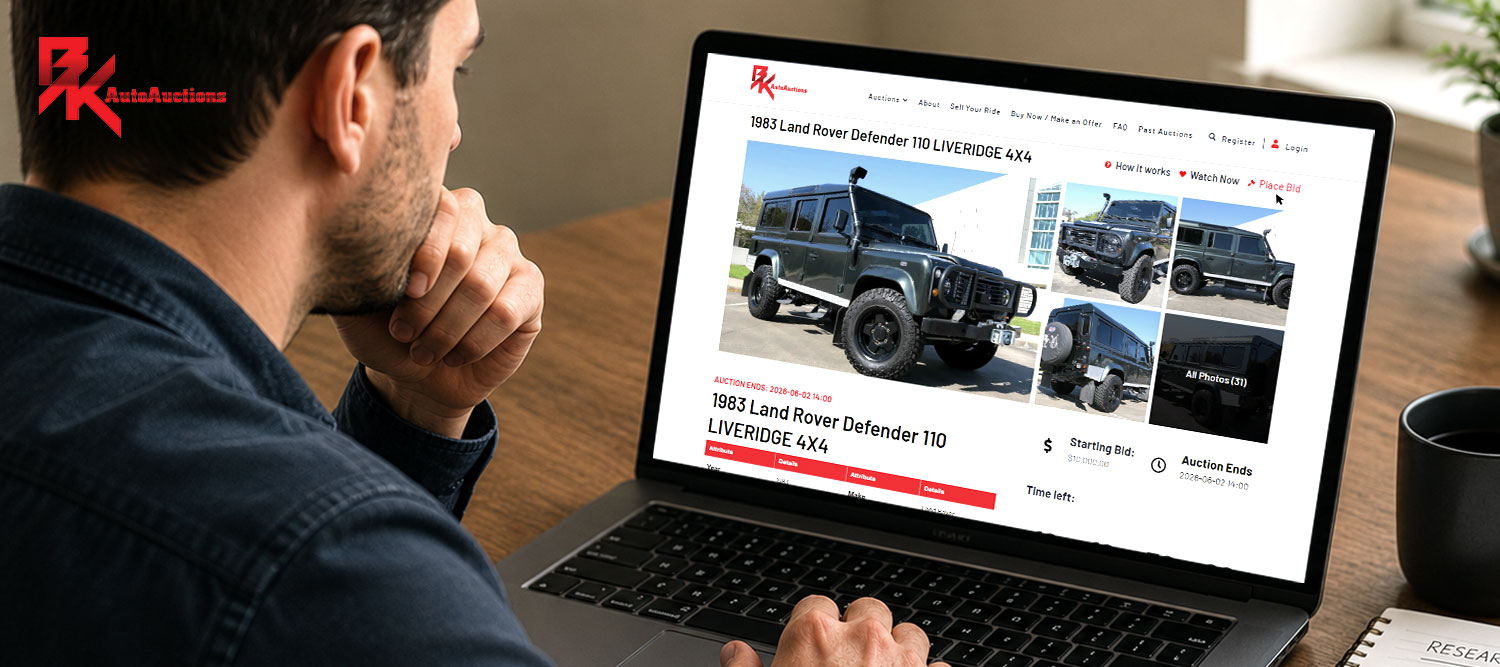
One of the biggest mistakes many first-time car auction buyers make is failing to thoroughly inspect the car before bidding. Cars sold at auctions often do not come with a guarantee or warranty, and you may have to fix problems on your own later. That is why a good vehicle inspection checklist is very important before you make a bid.
Why It Matters
Car auctions often sell vehicles as-is, meaning no guarantees about the car’s condition. You may see only a few pictures or a short condition report online, but that does not reveal all the problems beneath the surface. Without a thorough inspection, you might buy a car with hidden issues such as engine problems, frame damage, or undisclosed past repairs.
What to Look For
Before you bid, try to inspect the car in person or with a mechanic. Some things to check include:
- Exterior: Look for rust, dents, or paint flaws.
- Interior: Check seats, electronics, and upholstery.
- Engine: Listen for noises and check for leaks.
- Tires and Brakes: Look for wear that could mean future costs.
Many reputable auction houses provide online inventory with history, mileage, damage reports, and title status. Reviewing this information first helps you make a smart choice.
Bring a Mechanic If You Can
If possible, take a trusted mechanic with you to the auction preview. A trained eye can spot problems you might miss and help you decide if a car is worth the bid. This step is especially important for vehicles that might have hidden issues or a salvage title.
Inspecting a vehicle before bidding helps you avoid cars with serious problems and protects you from unexpected repair costs after winning a bid.
Mistake #4 – Ignoring Hidden Auction Fees
Many first-time car auction buyers focus only on the winning bid price. They forget that hidden car auction fees add to the total cost of buying a vehicle. This mistake can make a cheap-looking deal much more expensive than expected.
What Are Hidden Fees?
When you win a bid at an auction, you do not just pay the final bid amount. Buyer’s premium is one of the most common extra costs. It is a percentage added to the hammer price and must be paid by the buyer.
Other hidden charges can include:
- Documentation fees for paperwork and title transfers
- Registration fees to participate in the auction
- Administrative or transaction fees
- Storage fees if you do not collect the car on time
- Transportation costs to get the car home
These extra costs vary by auction house and vehicle type, but they can quickly add hundreds or even thousands to your total bill.
Why Beginners Often Forget These Fees
First-time buyers might think the bid price is the only number that matters. They may not check the full fee schedule before auction day. Not planning for the buyer’s premium and other charges makes their total cost much higher than the market value.
How to Avoid Surprises
Before you bid:
- Ask for a list of all fees from the auction house.
- Add all charges to your budget before setting your maximum bid.
- Compare fee schedules between different auctions.
Being aware of well-known charges, such as the buyer’s premium and other auction costs, helps you plan and avoid costly budget mistakes at live, online, or public auto auctions.
Mistake #5 – Not Understanding the Auction Process
Many first-time car auction buyers do not fully understand how the auction process works, and this can lead to costly mistakes. A car auction is not like buying a car at a dealer. It moves fast, and decisions must be made quickly, so preparation is key.
Auctions Move Fast
At live and online auctions, cars go through the auction lane quickly, and bidders have little time to think before placing a bid. Without understanding the rhythm of an auction, buyers can easily make rushed choices that cost them money.
What Happens at an Auction
Before bidding starts, buyers usually register and look over the available vehicles. Some auction houses offer a preview day or an online inspection period, during which you can review vehicle history reports and condition information.
Once the auction begins, the auctioneer calls bids. The price can rise fast, and emotions can push buyers to overbid. This is often called the winner’s curse, where the highest bidder pays too much.
Why Understanding Rules Matters
Every auction house has its own rules. Some require a deposit to enter, and others may allow only licensed dealers to bid on certain lots. Knowing the rules ahead of time helps you avoid surprises and bid with confidence.
Benefits of Watching an Auction First
If you are unsure about the pace and flow, it can help to attend an auction just to watch before you ever bid. This lets you see how others bid and learn how quickly the prices can change. Understanding the auction process helps first-time buyers stay calm, make smart choices, and avoid mistakes that come from acting too quickly or without enough knowledge.
Mistake #6 – Not Checking Vehicle History and Condition
One very common mistake first-time car auction buyers make is skipping the vehicle history report and condition check before bidding. Cars sold at auctions are usually sold as-is, so if you do not look up their history or inspect them closely, you could buy a car with expensive problems.
Why History Matters
A vehicle history report tells you if a car has been in accidents, had a salvage title, or had serious past damage. Many auction cars may have been in collisions or stayed unused for a long time. Skipping this step could mean you end up buying a car that costs much more to fix than you planned.
Check Before You Bid
Before placing a bid, try to get the car’s VIN and run a full history report with tools like AutoCheck, Carfax, or NMVTIS. This helps you learn about past accidents, odometer history, flood damage, and other potential problems.
Inspect the Vehicle in Person
Photos and short descriptions may hide important issues. At most auctions, you can view cars before bidding or inspect them with a mechanic. Look for rust, frame damage, engine leaks, or mechanical problems. A proper check can save you from unexpected repair costs later.
Why Many Buyers Regret Not Checking
Cars with hidden damage or incomplete histories often become money pits. When first-time buyers skip both the history check and a real inspection, they risk buying a car that needs major repairs right after the auction. Taking time to check a car’s full history and condition makes it much less likely you will face big surprises after winning a bid.
Mistake #7 – Falling for Emotional Bidding Wars

One big mistake many first-time car auction buyers make is getting caught up in bidding wars and making emotional bids. This happens when buyers get excited during the auction process and lose sight of their budget. When that happens, they often pay more than the car is worth.
What Happens in Emotional Bidding
Auctions can be fast and intense. Cars go by quickly, and bidders may feel pressure to act fast. This can lead to emotional decisions instead of smart ones. Many buyers end up bidding higher than their research shows is fair.
Why You Should Set a Firm Budget
Before you start bidding, decide the most you will pay for a car and stick to that number no matter what. Setting a clear walk-away price and sticking to a budget helps you avoid paying too much in the heat of the moment.
How to Stay Calm During Bidding
To avoid emotional bidding:
- Take a deep breath and slow down before you bid.
- Stay focused on your budget, not on beating others.
- If the bidding gets too high, be ready to walk away.
Having a clear plan and keeping your emotions in check helps you make smarter decisions and avoid paying more than a car is really worth.
Mistake #8 – Not Researching Comparable Sales
Many first-time car auction buyers forget to look up how much similar cars sell for before they place a bid. This can lead to paying too much or thinking a car is a great deal when it is not. Doing simple market value research helps you know what a fair price looks like and can save you from overpaying.
Why Comparable Sales Matter
Before you bid, check what similar vehicles have recently sold for. You can look at online listings or past auction results to see prices for the same make, model, and year. This gives you a clear idea of what a fair bid should be.
Use Tools to Compare Prices
Websites and car price guides can help you easily compare prices. You might use guides that give average prices for used cars, then compare those with auction prices. This simple step helps you decide a good maximum bid and protects you from emotional decisions during bidding wars.
Avoid Paying Too Much
If you do not check comparable sales, you may end up paying more than a car is worth. Auction prices can rise fast, and getting caught up in competition without knowing the market value makes this mistake more likely.
Researching comparable sales in advance helps you bid with confidence and avoid overpaying for a vehicle that could cost more than it should.
Mistake #9 – Failing to Do Proper Research Before Bidding
Another common mistake that first-time car auction buyers make is not doing enough research before bidding. When you skip this step, you may not know what to expect from the car or how much it is really worth. Doing good research helps you spot issues and decide a fair price before the auction process begins.
Review Vehicle Details Before You Bid
Before the auction starts, look at all available information about the car, including photos, history, mileage, title status, and damage reports. Many reputable auction platforms display this information in advance so you can prepare.
Learn About the Car’s History
A big part of researching is checking the vehicle history report. This helps you see past issues like hidden damage or problems others may not show just by looking at a photo or quick description. Knowing a car’s history keeps you from being surprised later.
Look at Market Value and Similar Sales
It also helps to check how much similar cars sell for at auctions or online. This way, you can compare and see what a fair bid might look like. Without this step, you might pay more than a car is really worth.
Doing thorough research before you bid helps first-time buyers avoid costly surprises and make smarter bids at the auction.
Mistake #10 – Ignoring Online Auction Risks
Many first-time car auction buyers forget that online car auctions have special risks that can cost money or lead to problems later. Buying from an online auction platform can be more convenient than a live auction, but it also carries risks that first-timers often overlook.
Online Auction Safety Matters
Online auctions are popular for cars from companies like Copart, IAAI, and other digital auction houses. These platforms let you bid from home, but they often rely only on photos and brief descriptions. That can hide real issues with the vehicle you are considering.
Online bidding also opens the door to auction fraud and scams, which occur when people create attractive listings to trick buyers into paying and then fail to deliver the promised vehicle or send one in worse condition than advertised.
Why First-Timers Are Vulnerable
Beginners may not know how to spot red flags in online car listings because the auction does not let you inspect the car in person before you bid. Without a proper inspection or reliable photos, you might miss problems like hidden frame damage, flood history, mechanical issues, or title issues.
How to Reduce Online Risks
- Read the full description carefully and look for details on the car’s condition.
- Check the vehicle history report before bidding to see if the car has been in an accident or has a salvage title.
- Use trusted platforms with buyer protections and secure payment options.
- Avoid deals that look too good to be true. If the price is far below market value, it may signal a problem.
Taking these steps helps protect you from common mistakes in online vehicle auctions and gives first-time buyers a safer, smarter way to participate in online auctions.
Mistake #11 – Not Understanding How the Auction Works
Another common mistake first-time car auction buyers make is not knowing how an auto auction really works before they start bidding. Car auctions can differ from buying a car from a dealer or a private seller. When you are not familiar with how the auction process unfolds, it can lead to mistakes and unexpected costs.
Auctions Move Fast
Cars are shown, bids are called, and the hammer can fall in seconds. If you are not prepared for this pace, you may bid without considering the car’s value, your budget, or final costs.
Know Key Auction Terms
Before the auction starts, learn important terms like:
- Buyer’s premium, which is a fee added to the winning bid price.
- Reserve price is the lowest amount the seller will accept.
- An earnest money deposit, which some auctions require before you can bid.
Understanding these terms ahead of time helps you avoid surprises and make better decisions on auction day.
Different Auction Formats
Car auctions come in many formats, from live auctions with an auctioneer calling bids to online auctions where bids are entered digitally. Some online platforms even allow proxy or automatic bidding.
Knowing the differences helps you feel more confident whether you attend a local public auto auction or bid from home on an online bidding platform.
Taking time to learn how auctions work before you bid will make your first experience with wholesale auctions much less stressful and help you avoid costly problems later on.
Mistake #12 – Not Preparing Your Payment or Financing Plans

One big mistake many first-time car auction buyers make is not planning how they will pay for their auction car before they bid. Whether you are buying at a live public auto auction or bidding online through platforms like Copart or IAAI, you must understand how payments work and have your funds ready. Otherwise, you may lose money or even lose the car after you win the bid.
Why Payment Planning Matters
Most auctions require you to pay quickly after winning a bid. Some need full payment the same day or within a short deadline. If you do not have your auction financing ready, you may be charged extra fees, risk losing your deposit, or even lose the right to the vehicle. Public auto auctions are open to everyone, but you must register and sometimes show proof of funds before bidding.
Know What You Need Before Bidding
Before the auction, find out:
- Whether the auction accepts auction financing or only cash
- What forms of payment are accepted
- If a refundable deposit is required
- When the full payment is due
This research helps you avoid surprises and ensures you have the right funds available if you win a bid.
Financing vs Full Payment
Some auctions do not allow traditional car loans, so you may need to plan alternative payment options. Knowing this ahead of time lets you budget for the car price and hidden auction fees, such as the buyer’s premium, paperwork, and transport costs.
By planning how you will pay ahead of the auction, you protect your money, follow auction rules, and avoid costly mistakes that first-time buyers often make.
Mistake #13 – Ignoring Car Auction Rules and Costs
Another big mistake first-time car auction buyers often make is failing to check the rules, fees, and hidden costs before bidding. When you overlook these details, you can end up paying more money or facing problems after the auction.
Know the Auction Fees
Car auctions usually add extra fees on top of your bid. These fees can include:
- Auction service fees
- Buyer’s premium
- Paperwork or registration costs
- Transport or delivery charges
These fees are not always included in the bid price, but they must still be paid after you win the auction. Knowing all these costs before bidding will help you set a fair budget.
Learn the Auction Rules
Each auction house has its own rules. Some may require:
- A deposit before you can bid
- Payment soon after winning
- Specific payment methods
If you are not ready to follow these rules, you may lose your deposit or even lose the vehicle after winning the bid.
Why This Matters for First-Time Buyers
Many beginners think only about the car’s winning bid price. But real costs can be much higher when all fees are added. Simple research before the auction can prevent surprises and help you avoid costly mistakes.
Frequently Asked Questions (FAQs)
1. What is a car auction, and how does it work?
A car auction is a place where vehicles are sold to the highest bidder. Cars are listed for sale, buyers register to bid, and then the auctioneer conducts the bidding. Auctions can be in person or online. Most vehicles are sold as-is, so you should research before you bid.
2. Do I need a dealer’s license to buy at auctions?
Not always. Some public auto auctions are open to everyone. But some dealer auctions require a license or a broker to bid on your behalf.
3. How can I check a car’s history before bidding?
You can run a vehicle history report using tools like Carfax or AutoCheck by entering the car’s VIN. This helps you see past accidents, title issues, mileage problems, or flood damage.
4. Should I inspect a car before I bid?
Yes, always try to inspect a vehicle before bidding. Many auctions have preview days where you can check the condition, look for hidden damage, and bring someone knowledgeable with you.
5. What are the common mistakes to avoid at a car auction?
Common mistakes include skipping vehicle research, failing to set a budget, ignoring fees, failing to inspect the vehicle, and letting emotions drive your bids. Being prepared helps you avoid costly errors.
6. How do I set a smart budget for bidding?
Decide how much you can spend before the auction. Include all costs such as buyer’s premium, auction fees, transport costs, repairs, and registration fees. Stick to this maximum to avoid overspending.
7. What types of cars can I find at auctions?
Auctions can include trade-in cars, repossessed vehicles, government and police fleet cars, charity auction cars, and even salvage-title vehicles. Each has its own risks and costs.
8. Can I bid online instead of in person?
Yes. Many auction platforms let you bid online. Online auctions give you access to more vehicles, but you may not be able to inspect them in person before bidding, so it’s important to review all photos and reports carefully.
9. What happens after I win a bid?
After you win, you must pay the final amount plus all fees. You will complete paperwork, pick up or arrange transport for the car, and transfer the title to your name.
10. How do I avoid overpaying in a bidding war?
Set a firm maximum bid before the auction starts and stick to it. Do not let emotions or other bidders push you higher than your planned limit.